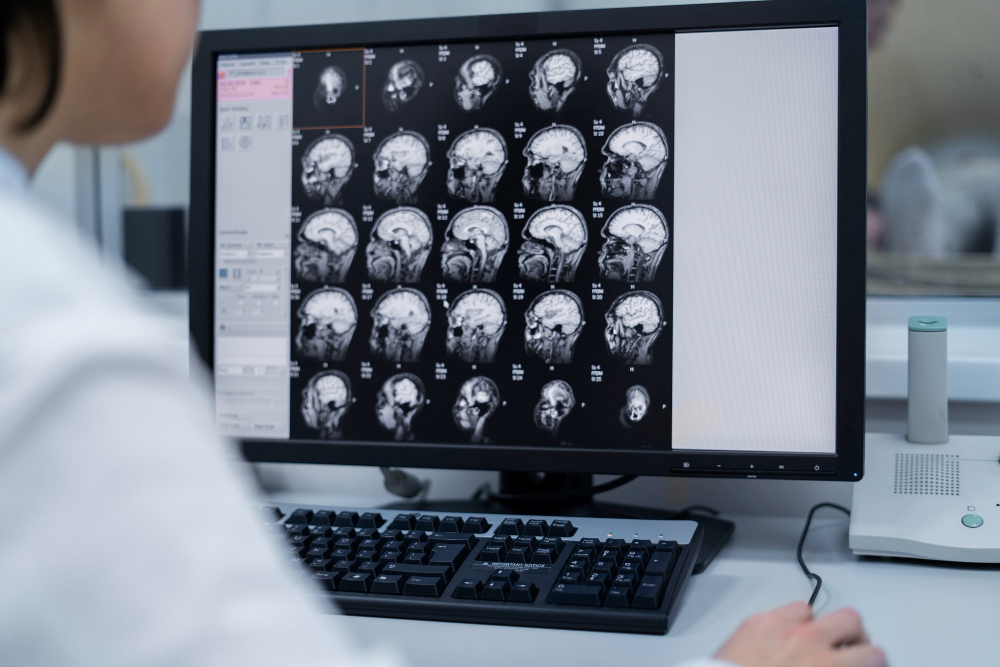
What Is a CT Brain Scan?
A CT Brain scan is a special test that takes detailed pictures of your brain. CT stands for computed tomography. This scan uses X-rays and a computer to create images. These images help doctors see inside your head. Often, a CT scan of the brain is quick and painless. It gives doctors important information about your brain’s health.
Why Is a CT Brain Scan Done?
Doctors use a CT Brain scan for many reasons. Sometimes, you may have symptoms that need a closer look. For example, you might need a scan if you have:
In addition, doctors may order a CT scan of the brain to check for strokes, tumors, bleeding, or infections. Sometimes, it helps guide treatment or surgery. Because it is fast, doctors often use it in emergencies.
How Is a CT Brain Scan Performed?
First, you will lie down on a table. The table slides into a large, doughnut-shaped machine. The CT scanner takes pictures as the table moves slowly. You may hear buzzing or clicking sounds. However, the scan does not hurt. Usually, you must stay very still. Sometimes, you may need to hold your breath for a few seconds. The whole brain CT procedure usually takes about 10 to 15 minutes.
In some cases, a special dye called contrast may be used. This dye helps certain areas show up better. If you need contrast, it is given through a small needle in your arm. Most people feel fine during the scan. Afterward, you can return to your normal activities.
Risks and Safety of CT Brain Scans
CT Brain scans are generally safe. But, like all X-ray tests, they use a small amount of radiation. For most people, the benefits outweigh the risks. However, doctors try to limit radiation, especially in children and pregnant women. If you are pregnant or think you might be, tell your doctor before the scan.
Some people may have a mild reaction to the contrast dye. For example, you might feel warm or get a metallic taste. Rarely, allergic reactions can happen. If you have allergies or kidney problems, let your doctor know. Overall, serious side effects are uncommon.
How to Prepare for a CT Brain Scan
Preparing for a CT Brain scan is simple. In most cases, you can eat and drink as usual. However, if you need contrast dye, your doctor may ask you not to eat for a few hours. Always tell your doctor about any allergies or health problems. Also, let them know if you are pregnant or breastfeeding.
Because the scan is quick, you can usually go home right after.
Understanding CT Brain Scan Results
After your CT Brain scan, a doctor called a radiologist looks at the images. They check for any problems, such as bleeding, swelling, or tumors. Next, your doctor will explain the results to you. Sometimes, you may need more tests. But often, the scan gives clear answers. If you have questions, ask your doctor to explain the findings in simple terms.
Frequently Asked Questions About CT Brain Scans
When to Consult a Doctor
If you have symptoms like sudden headaches, confusion, or weakness, see a doctor right away. Also, if your doctor recommends a CT Brain scan, ask any questions you have. It is important to understand why the scan is needed and what to expect. Early testing can help find and treat problems quickly.
For personalized advice about CT Brain scans, consult a healthcare professional.