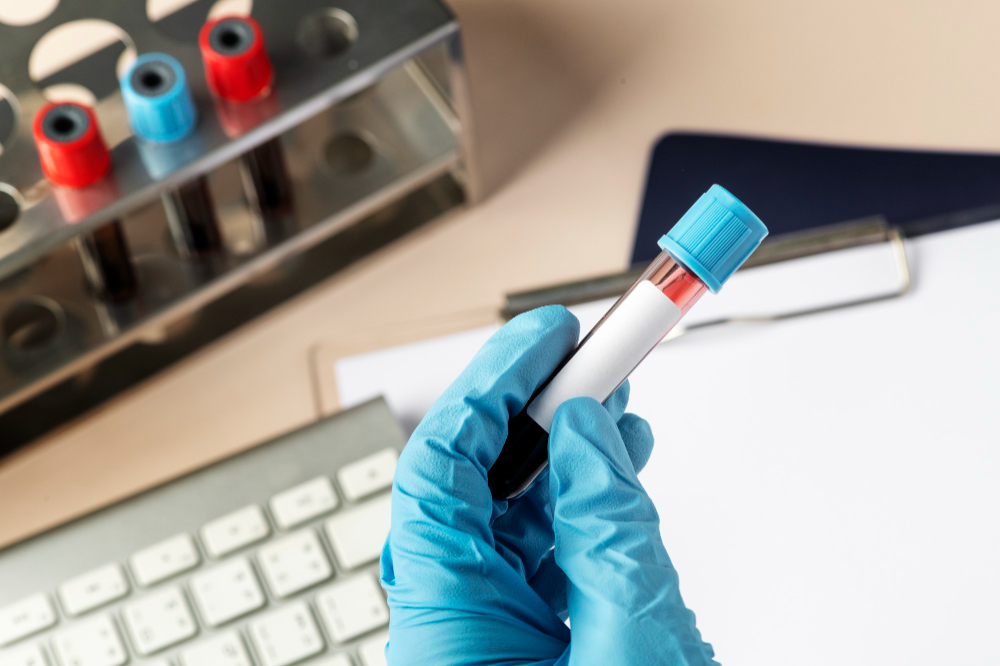
What is a Coagulation Profile? (PT/INR, APTT)
A coagulation profile (PT/INR, APTT) is a group of blood tests. These tests check how well your blood clots. Blood clotting is your body’s way of stopping bleeding. The main tests are:
Doctors use these blood clotting tests to find problems with your clotting system. They also help monitor certain treatments.
Why Are PT/INR and APTT Tests Important?
These tests are important for many reasons. First, they help find out if your blood clots too slowly or too quickly. Slow clotting can cause bleeding problems. Fast clotting can lead to dangerous clots in your body. Also, doctors use these tests to:
According to the CDC, these tests are key for safe treatment and surgery planning.
When Should You Get These Tests?
Doctors may order a coagulation profile (PT/INR, APTT) in many situations. For example, you may need these tests if you:
Sometimes, your doctor may order these tests as part of a routine checkup if you have certain risks.
How Are PT/INR and APTT Tests Performed?
Getting these blood clotting tests is simple. First, a nurse or technician takes a small blood sample from your arm. Next, the sample goes to a lab. There, experts measure how long your blood takes to clot. The process is quick and usually safe. Most people feel only a small pinch during the blood draw.
Understanding Your Results
After the test, you will get your results. Here is what they mean:
However, normal ranges can vary by lab. Always ask your doctor to explain your results.
Common Causes of Abnormal Results
Sometimes, your PT/INR or APTT results are not in the normal range. This can happen for many reasons, such as:
Because many things can affect your results, your doctor will look at your health history and other tests.
Treatment and Next Steps
If your results are not normal, do not worry. Your doctor will explain what they mean. Sometimes, you may need more tests. Other times, you may need to change your medicine or diet. For example, if you take warfarin, your doctor may adjust your dose. If you have a clotting disorder, you may need special care.
Tips for a Healthy Blood Clotting System
Keeping your blood clotting system healthy is important. Here are some tips:
Always talk to your doctor before making big changes to your diet or lifestyle.
Prevention and Lifestyle Guidance
There are steps you can take to prevent clotting problems. For instance, you can:
With these habits, you can lower your risk of blood clotting problems.
Consult a healthcare specialist for personalized advice about your coagulation profile.