Introduction
Renal Function Test (RFT) is a simple blood test that checks how well your kidneys are working. Because healthy kidneys are vital for removing waste and extra water from your body, RFT helps doctors spot problems early. If you are curious about kidney function tests or want to know what RFT means, this guide will help you understand the basics.
What is an RFT?
RFT, or Renal Function Test, is a group of blood tests. These tests measure how well your kidneys filter waste and balance fluids. For example, RFT checks levels of substances like creatinine and urea in your blood. High or low levels can signal kidney issues. In many clinics, RFT is also called a kidney function test.
Why is an RFT Done?
Doctors may suggest an RFT for several reasons. Often, it helps find kidney problems early. Sometimes, it checks how well treatment is working. You may need an RFT if you have:
Additionally, doctors may order an RFT before starting certain medicines that can affect the kidneys.
How is an RFT Performed?
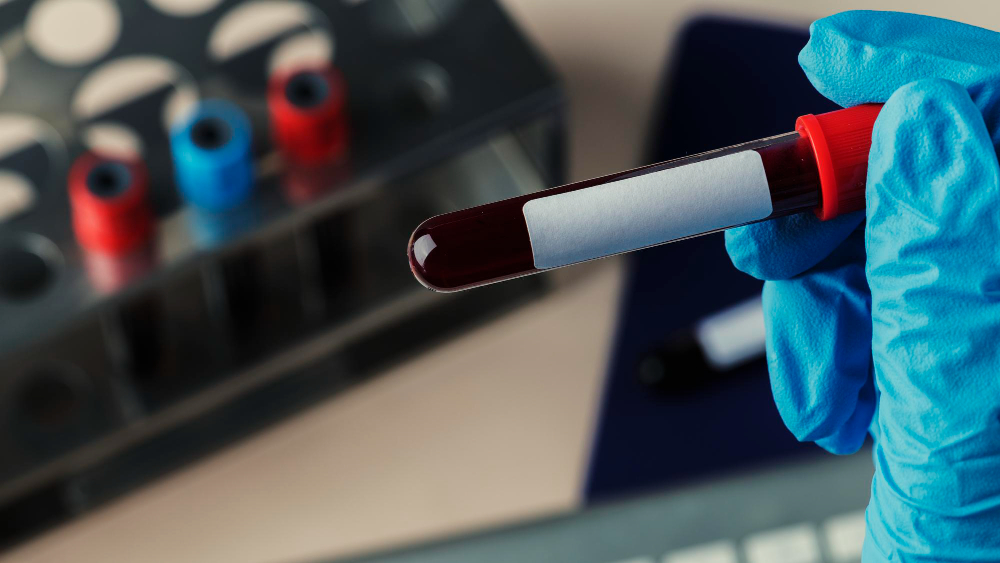
The RFT procedure is quick and simple. First, a healthcare worker cleans your arm. Next, they use a small needle to take a blood sample from a vein. The process usually takes less than five minutes. Afterward, your sample goes to a lab for testing. In some cases, your doctor may also ask for a urine sample to check for extra signs of kidney problems.
Understanding RFT Results
RFT results include several key measurements. Each one tells something important about your kidney health. Here are the main parameters:
Sometimes, RFT results may include other values like electrolytes (sodium, potassium). If your results are outside the normal range, your doctor will explain what it means for you. However, not all abnormal results mean you have kidney disease. Other factors, like dehydration, can also affect your RFT results.
What to Expect
Before your RFT, you may not need special preparation. Still, your doctor might ask you to avoid certain foods or medicines. The risks are very low, but you may feel a small pinch during the blood draw. Rarely, you might get a bruise or feel dizzy. After the test, you can return to normal activities right away. If you have questions about the RFT procedure, ask your healthcare provider for more details.
Prevention and Kidney Health Tips
Keeping your kidneys healthy is important for your overall well-being. Here are some simple tips:
By following these steps, you can help protect your kidneys and lower your risk of kidney disease.
When to Consult a Doctor
If you notice symptoms like swelling, changes in urination, or blood in your urine, see a doctor soon. Also, if your RFT results are not normal, your doctor can guide you on the next steps. Early action can make a big difference in kidney health.
For more information, you can visit trusted sources like the World Health Organization (WHO) or the Centers for Disease Control and Prevention (CDC).
Consult a healthcare specialist for personalized advice regarding your kidney health or RFT results.