What Are Cardiac Profile Tests?
Cardiac profile tests are a group of blood and heart tests. They help check your heart’s health. These tests look for signs of heart disease or risk factors. For example, they measure cholesterol, certain proteins, and heart rhythms. Many doctors use cardiac profile tests for heart health screening and cardiac risk assessment. Early testing can help prevent serious heart problems.
Why Are Cardiac Profile Tests Important?
Heart disease is a leading cause of death worldwide, according to the WHO. Because of this, early detection is key. Cardiac profile tests can find problems before symptoms appear. As a result, you can take steps to protect your heart. These tests also help doctors track your heart health over time. In many cases, early action can lower your risk of heart attack or stroke.
Common Types of Cardiac Profile Tests
Several tests make up a full cardiac profile. Each test gives different information about your heart. Here are some common types:
Each test helps build a full picture of your heart health.
Symptoms or Risk Factors That May Prompt Testing
Doctors may suggest cardiac profile tests if you have certain symptoms or risks. For example, you may need testing if you:
Because these factors raise your risk, early testing can help.
How Cardiac Profile Tests Are Performed
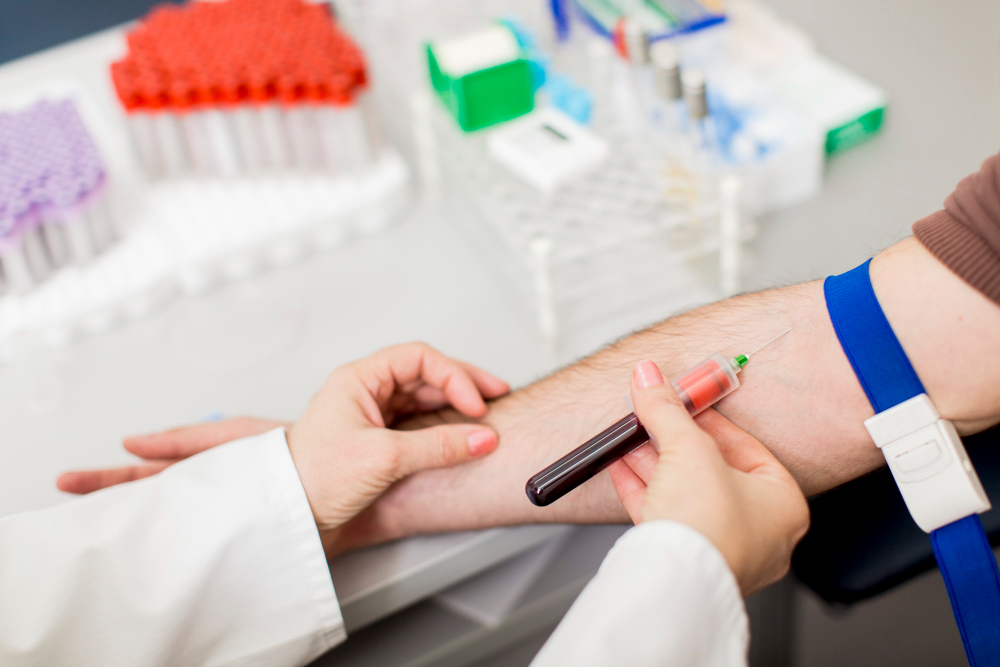
Most cardiac profile tests are simple and safe. Usually, a nurse draws a small blood sample from your arm. For an ECG, small patches are placed on your chest, arms, and legs. These patches connect to a machine that records your heart’s activity. The process is quick and painless. Afterward, you can return to your normal activities.
How to Prepare for Cardiac Profile Tests
Preparation depends on the type of test. For example, you may need to:
Always follow your doctor’s instructions. If you have questions about how to prepare for cardiac profile tests, ask your healthcare provider.
Understanding Your Results
After testing, your doctor will explain the results. For example, high cholesterol or troponin levels may mean a higher risk of heart problems. Sometimes, results show you need more tests or treatment. Because each person is different, your doctor will help you understand what the numbers mean for you. If you have concerns, ask for a clear explanation.
Prevention and Lifestyle Guidance for Heart Health
Even if your tests are normal, healthy habits matter. To keep your heart strong, try these tips:
Because prevention is better than cure, small changes can make a big difference.
Conclusion
Cardiac profile tests are key tools for heart health screening and cardiac risk assessment. Early testing can help you and your doctor spot problems before they become serious. If you have risk factors or symptoms, do not wait. Consult a healthcare provider for personalized advice on cardiac profile tests and heart health.