What is Phenylketonuria (PKU)?
Phenylketonuria, or PKU, is a rare genetic disorder. People with PKU cannot break down an amino acid called phenylalanine. This amino acid is found in many foods. If it builds up in the body, it can harm the brain. Because of this, early detection is very important. The test for phenylketonuria helps find this condition before it causes problems.
Why is the Test for Phenylketonuria Important?
Early testing can prevent serious health issues. For example, untreated PKU can lead to intellectual disability, seizures, and behavior problems. However, with early treatment, children with PKU can grow up healthy. The test for phenylketonuria is a key part of newborn screening in many countries. According to the CDC, early diagnosis and treatment can help children reach their full potential.
Who Should Get Tested?
Most often, newborns are tested for PKU soon after birth. In fact, newborn screening for PKU is required in many places. However, older children or adults who show symptoms may also need testing. Sometimes, parents who have a family history of PKU may want to get tested before having a baby. If you are unsure, ask your doctor if you or your child should have a PKU screening.
How is the Test for Phenylketonuria Performed?
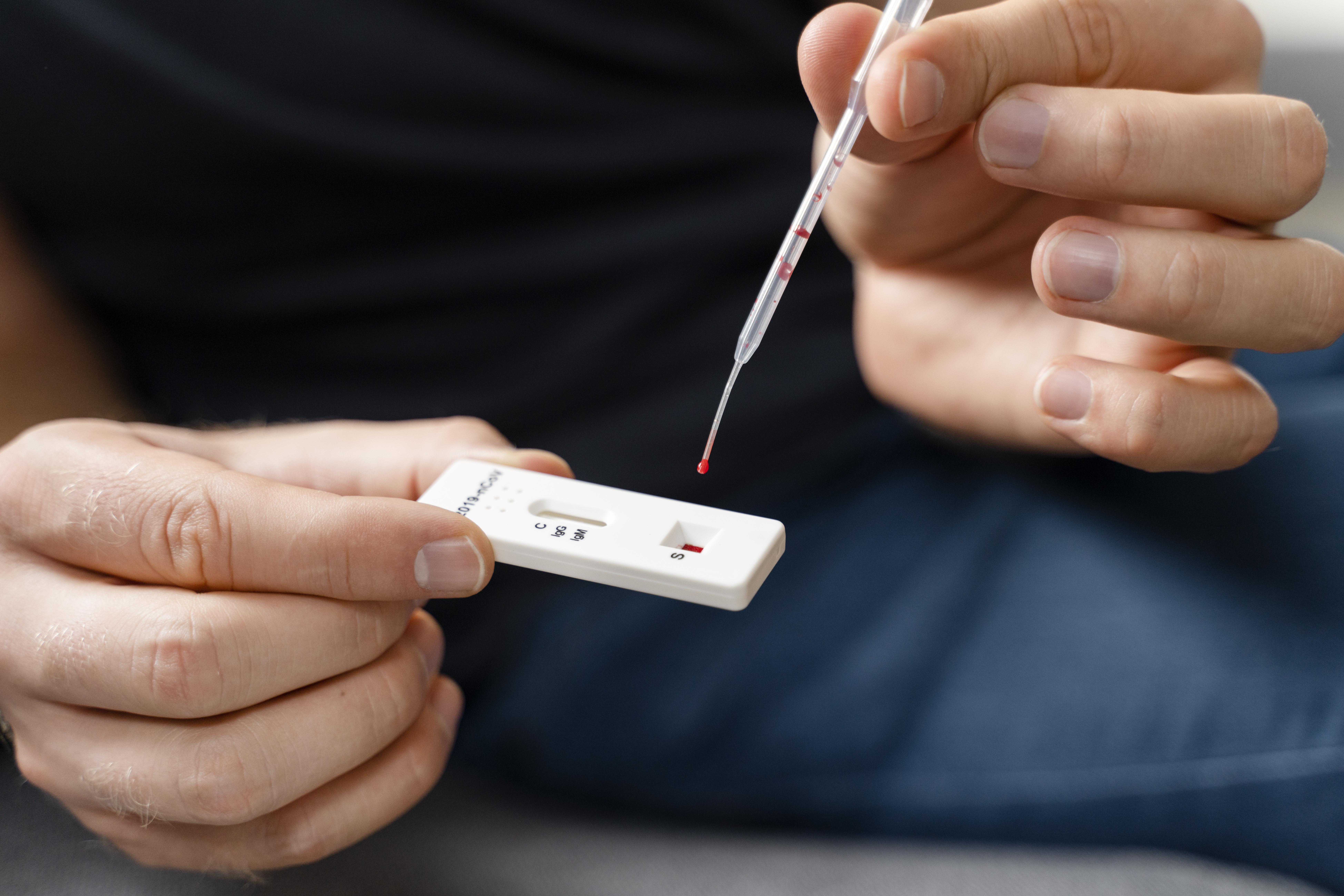
The test for phenylketonuria is simple and quick. Usually, it is done within the first few days after birth. A healthcare worker pricks the baby’s heel to collect a few drops of blood. This blood is placed on a special card and sent to a lab. In some cases, older children or adults may have blood drawn from a vein. The lab checks the blood for high levels of phenylalanine. Because the test is easy, it causes only mild discomfort.
What Do the Test Results Mean?
Test results show the amount of phenylalanine in the blood. If the level is normal, no further action is needed. However, if the level is high, more tests may be needed to confirm PKU. Sometimes, a repeat test is done to make sure the result is correct. If PKU is confirmed, your doctor will explain what to do next. Remember, early diagnosis leads to better outcomes.
Next Steps After a Positive Test
If your child tests positive for PKU, do not panic. Many children with PKU live healthy lives with the right care. The next steps often include:
With early treatment, most children avoid serious problems. The WHO and CDC both recommend early and regular follow-up for children with PKU.
Prevention and Early Intervention
While PKU cannot be prevented, early intervention makes a big difference. Because newborn screening for PKU is common, most babies are diagnosed before symptoms appear. Early treatment, such as a special diet, helps prevent brain damage. In addition, parents can talk to a genetic counselor if they have a family history of PKU. This can help them understand the risks before having a baby.
Conclusion
In summary, the test for phenylketonuria is a simple but vital step in protecting your child’s health. Early PKU screening and diagnosis allow for quick treatment and better outcomes. If you have questions or concerns, consult a healthcare professional for personalized advice about phenylketonuria testing.