What is CT KUB?
CT KUB stands for Computed Tomography of Kidneys, Ureters, and Bladder. This scan uses X-rays and a computer to create detailed pictures of these organs. Doctors often use a CT KUB scan to check for problems in the urinary system. For example, it helps find kidney stones, infections, or other issues. Because it is quick and accurate, CT KUB is a common test in many hospitals.
Why is CT KUB Done? (Indications and Common Reasons)
Doctors may suggest a CT KUB scan for several reasons. Usually, it helps find the cause of symptoms like pain or blood in urine. Some common reasons include:
Sometimes, a CT KUB scan is also used to monitor known problems. For instance, doctors may use it to check if a kidney stone has moved.
How is CT KUB Performed? (Procedure Overview)
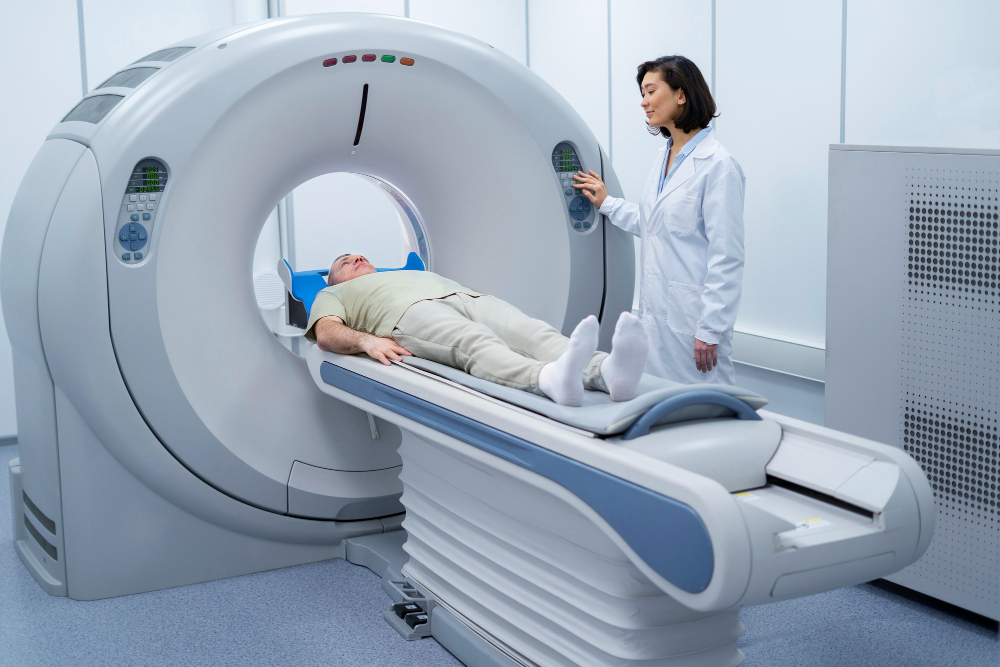
First, you will lie down on a special table. Then, the table slides into the CT scanner, which looks like a large ring. The machine takes many X-ray pictures from different angles. After that, a computer combines these images to create clear pictures of your kidneys, ureters, and bladder. The scan usually takes about 10 to 20 minutes. Most of the time, you do not need an injection or dye for a CT KUB scan. However, in some cases, your doctor may use a contrast dye to get better images.
Preparing for a CT KUB Scan
Preparation for a CT KUB scan is simple. Still, your doctor will give you clear instructions. Here are some common steps:
Sometimes, you may need to drink water before the scan. This helps fill your bladder and gives clearer images.
What to Expect During and After the Scan
During the scan, you will need to lie still. The machine may make soft whirring sounds. If a contrast dye is used, you might feel a warm sensation. The scan is painless and quick. After the scan, you can usually return to your normal activities right away. If you received contrast dye, drink plenty of water to help flush it from your body. Your doctor will tell you if you need to take any special steps after the scan.
Risks and Safety Considerations
CT KUB scans are generally safe. However, they do use a small amount of radiation. For most people, the benefits outweigh the risks. Still, it is important to tell your doctor if you are pregnant. Radiation can be harmful to a developing baby. If you have allergies to contrast dye, let your doctor know. Rarely, some people may have a reaction to the dye. Most reactions are mild, such as itching or a rash. Serious reactions are very rare.
How to Interpret CT KUB Results (General Guidance)
After your scan, a radiologist will review the images. Then, your doctor will explain the results to you. The scan can show:
Remember, only a doctor can interpret the results correctly. If you have questions, ask your healthcare provider for more details.
Frequently Asked Questions about CT KUB
In summary, a CT KUB scan is a safe and helpful test for checking the kidneys, ureters, and bladder. It helps doctors find and treat many urinary problems quickly. If you have concerns or need more information, consult your healthcare provider for personalized advice about CT KUB scans.