Introduction
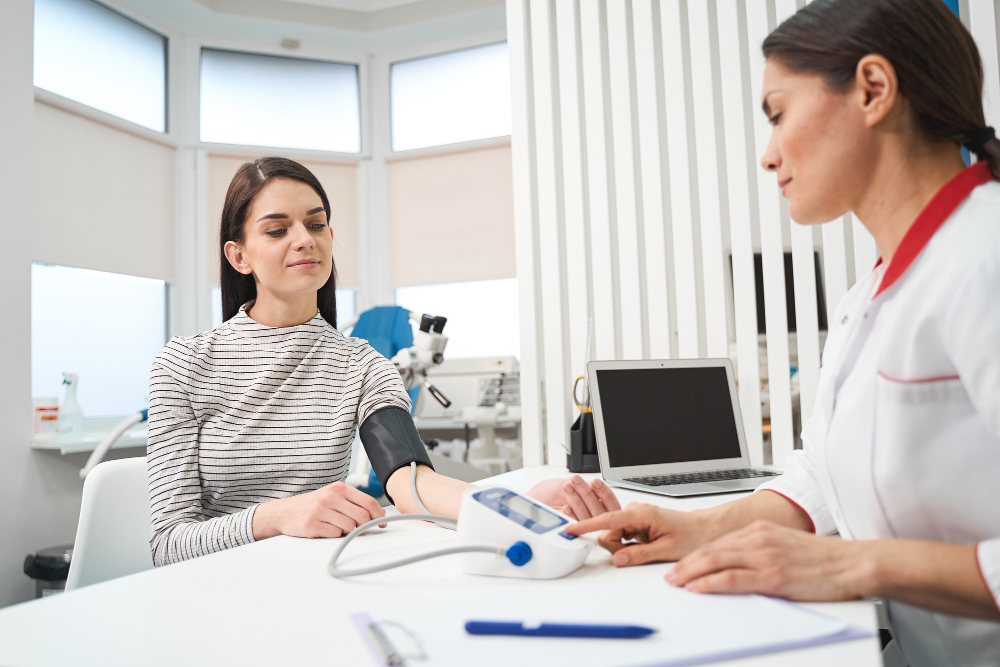
Regular health checkups are visits to your doctor even when you feel well. These visits help you stay healthy and catch problems early. In fact, the benefits of regular health checkups go beyond just treating illness. They help you learn about your health and prevent future issues. According to the CDC, routine medical screenings can lower your risk of serious diseases. So, making checkups a habit is a smart step for everyone.
Key Benefits of Regular Health Checkups
There are many reasons to see your doctor regularly. For example, you can:
Moreover, routine medical screenings help you avoid costly treatments later. Preventive health care saves time, money, and worry in the long run.
Common Tests and Screenings Included
During a checkup, your doctor may suggest several tests. These depend on your age, gender, and health history. However, most checkups include:
Sometimes, your doctor may order extra tests if you have risk factors. For example, family history or certain symptoms may need more attention.
How Regular Checkups Help in Early Detection and Prevention
Early detection is key to better health. When you visit your doctor often, small problems can be found before they get worse. For instance, high blood pressure may not cause symptoms at first. But, if found early, it can be managed easily. According to the World Health Organization, preventive health care lowers the risk of heart disease, cancer, and diabetes. In addition, regular checkups help you learn about your health risks. This way, you can make changes before problems start.
Tips for Preparing for Your Health Checkup
Getting ready for your checkup can make the visit smoother. Here are some tips:
Furthermore, do not forget to mention any changes in your health since your last visit. This helps your doctor give you the best care.
How Often Should You Get Checked?
The right schedule for checkups depends on your age and health. For most adults, a yearly visit is a good rule. However, some people may need more frequent visits. For example, if you have a chronic illness or a family history of disease, your doctor may suggest more checkups. Children and older adults may also need special screenings. Always ask your healthcare provider how often you should come in. They will guide you based on your needs.
Conclusion and Call-to-Action
In summary, regular health checkups are a simple way to protect your health. They help you catch problems early and stay on track with preventive health care. Do not wait until you feel sick. Instead, make routine medical screenings part of your life. Consult a healthcare provider to schedule your next checkup and stay proactive about your health.