What is ESR?
ESR stands for Erythrocyte Sedimentation Rate. It is a simple blood test. Doctors use it to check for inflammation in your body. Inflammation can happen for many reasons. For example, it may be due to infection, injury, or disease. ESR does not show the exact cause. However, it helps doctors know if something is wrong.
Why is ESR Measured?
Doctors order an ESR blood test for several reasons. Often, they use it to look for signs of inflammation. Sometimes, it helps track how well treatment is working. In addition, ESR can help find out if you have certain conditions. These include:
Still, ESR alone cannot diagnose a disease. Doctors use it along with other tests.
How is ESR Tested?
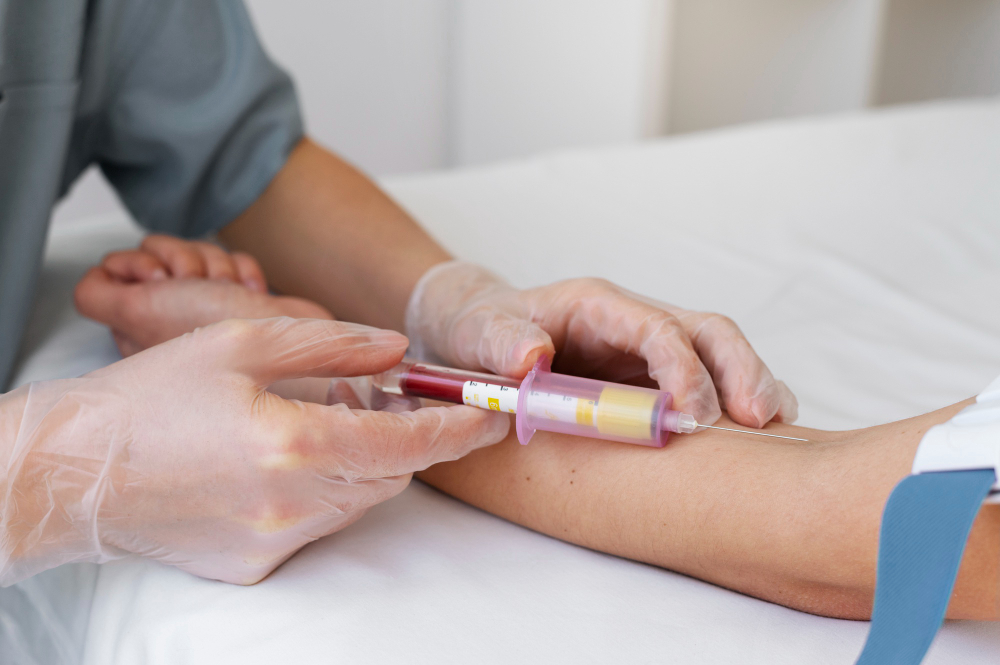
The ESR test is quick and easy. First, a nurse or technician takes a small blood sample from your arm. Next, the blood goes into a special tube. Then, the tube stands upright for one hour. During this time, red blood cells settle at the bottom. The speed at which they fall is the ESR. A faster rate can mean more inflammation.
What Do ESR Results Mean?
Doctors look at ESR results to check for problems. Normal ESR levels can vary by age and gender. Here are some general ranges:
High ESR causes may include infections, autoimmune diseases, or cancer. On the other hand, low ESR is less common. It may happen with certain blood disorders or heart failure. However, many things can affect ESR. For example, pregnancy or anemia can change the results.
Symptoms or Conditions Related to Abnormal ESR
Sometimes, people with high ESR have symptoms like:
But, a high ESR does not always mean you are sick. It is important to look at other signs and test results.
How to Prepare for an ESR Test
Usually, you do not need special steps before an ESR test. You can eat and drink as normal. However, tell your doctor about any medicines you take. Some drugs can affect the results. For example, birth control pills or steroids may change your ESR.
Limitations of ESR
ESR is a helpful tool, but it has limits. It cannot show the exact cause of inflammation. Also, it may be high for reasons that are not serious. For instance, pregnancy or aging can raise ESR. Because of this, doctors use other tests to find the real problem. According to the CDC and WHO, ESR should not be the only test used for diagnosis.
When to Consult a Doctor About ESR Results
If your ESR is high or low, do not panic. Many things can affect the result. Still, you should talk to your doctor. They can explain what your ESR test meaning is for your health. Sometimes, more tests are needed. Your doctor will help you understand what to do next.
In summary, ESR is a simple blood test that helps find inflammation. However, it cannot diagnose diseases on its own. Always consult a healthcare professional for personalized advice about your ESR results.